Serving Sizes and Energy Values
Posted on February 10, 2026
Understanding Serving Sizes
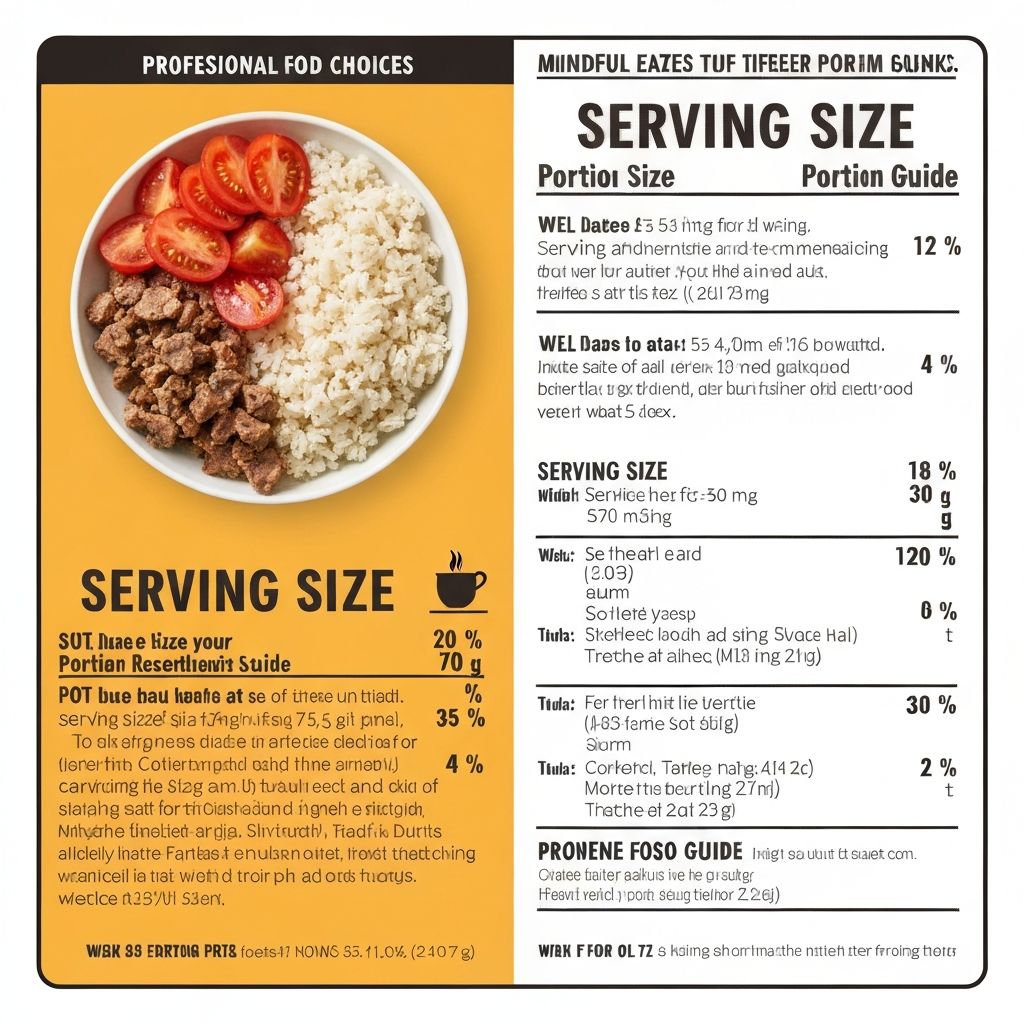
The serving size is listed at the top of the nutrition facts panel and represents the amount of food on which all nutritional calculations are based. It is essential to understand serving sizes because the numbers on the label refer specifically to that serving amount.
Standard Serving Sizes
Serving sizes are standardized based on reference amounts established by food safety and regulatory authorities. This standardization ensures consistency across different products in the same category, making it easier to compare nutrition information between brands.
A serving size might be expressed in household measures, such as one cup or one tablespoon, or in metric measurements, such as grams or milliliters. Some products specify serving sizes as the entire package contents if the package contains only one serving.
Serving Size vs. Portion Size
The serving size on a label is not necessarily the same as the portion size you consume. You may eat more or less than one serving. When comparing your actual consumption to the label information, consider how many servings are in the amount you eat.
If you consume double the listed serving size, you are consuming double the calories and all the nutrients shown on the label. If you consume half the serving size, you are consuming half the nutrients.
Number of Servings
Labels also indicate the number of servings per container. This helps you understand the total nutritional content of the entire package. Multiply the values on the label by the number of servings to calculate the total nutrients in the complete package.
Energy Values
Energy values indicate the amount of energy provided by a serving of the product. Energy is expressed in calories in some countries and in kilojoules in others. Some labels display both units.
Calories and Kilojoules
One calorie equals approximately 4.184 kilojoules. Both units measure the same thing: the energy content of food. The unit used depends on regional regulations and standards. Understanding both units can be helpful if you are viewing labels from different countries.
How Energy is Calculated
Energy is calculated based on macronutrient content. Carbohydrates and proteins each provide 4 calories per gram, while fat provides 9 calories per gram. Fiber and other components may contribute differently. The total energy on the label is calculated using these values.
Interpreting Energy Values
Energy values help you understand the caloric density of foods and compare products. Some foods provide more energy per serving than others. This information, combined with the macronutrient breakdown, helps provide context for nutritional comparisons.
Context and Balance
Energy values are just one component of nutritional information. A food high in energy is not inherently unhealthy, just as a food low in energy is not inherently healthy. The overall nutritional profile and how a food fits into a varied diet is more important than single values.
Practical Tips for Using Serving Information
When reading food labels, always start by looking at the serving size to ensure you understand what the other numbers refer to. Compare the serving size to your typical consumption. Use the serving size information to calculate accurate nutritional content based on what you actually eat.
Be aware that marketing may highlight certain aspects of nutrition while the serving size might not reflect how people typically consume the product. Comparing serving sizes and nutritional values across similar products can help you make informed choices.
Educational Information
This article is for educational purposes and explains how to interpret serving sizes and energy values on food labels. Individual energy needs vary based on age, sex, activity level, and other factors. Food labeling regulations and formats differ by country and region. This information does not constitute personal nutritional advice.